

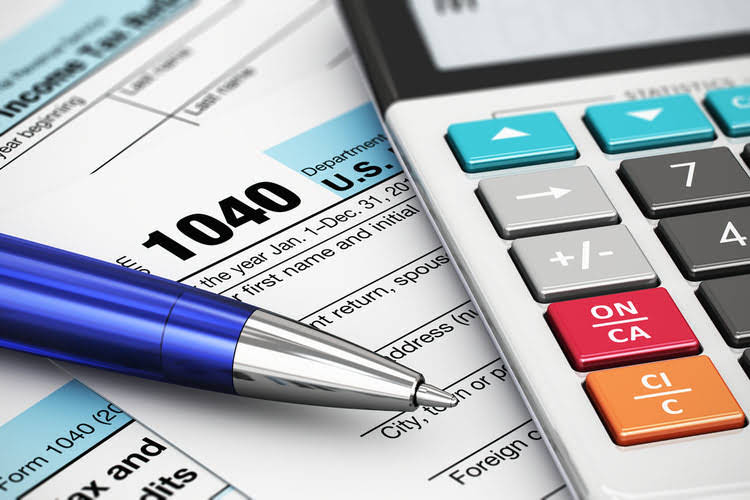
The itemized deduction calculation includes medical expenses, dental expenses, certain taxes, certain interest assessments, theft losses, and other expenses. An additional deduction may be taken by those who are age 65 or older or blind. Just like the standard deduction, https://www.bookstime.com/ these figures are adjusted annually for inflation. This is a statement accompanying a taxpayer’s payment for any balance on the “Amount you owe” line of the 1040 or 1040-NR. Once you’ve filed, you might wonder how long you need to keep your paperwork or files.
About Form 1040, U.S. Individual Income Tax Return
- The form requires taxpayers to provide details about the changes being made, along with an explanation for the amendments.
- Since 1961 Form 1040 has had various separate attachments to the form.
- To use EFTPS, you need to enroll in the system by visiting the EFTPS website and providing the necessary information.
- Many, or all, of the products featured on this page are from our advertising partners who compensate us when you take certain actions on our website or click to take an action on their website.
- A 1040 is the main document you use to file your tax return with the IRS.
The activity is also considered a business as long as the taxpayer is involved in the activity with regularity and continuity. The 1040-ES payment vouchers can be found in the Form 1040-ES package, which is available for download on the IRS website. The package includes a set of payment vouchers, along with instructions on how to submit them along with your payments.
SR: What you need to know about the new tax form for seniors
Individual Income Tax Return,” is the form people use to report income to the IRS, claim tax deductions and credits, and calculate their tax refund or tax bill for the year. The IRS releases a revised version of the form for each tax filing year. However, if you’re able, e-filing is the preferred way to file IRS Form 1040. The IRS recommends that all eligible taxpayers file their returns electronically because it’s easier, more convenient, and more secure than paper filing. You can e-file your return using IRS Free File if your adjusted gross income is $66,000 or less.
Is Form 1040 the Same As a W-2?
Below is a general guide to what Schedule(s) you will need to file. (See the instructions for Form 1040-SR for more information on the numbered schedules.) For Schedule A and the other lettered schedules, see Schedules for Form 1040 and 1040-SR. The IRS says it can take up to 16 weeks to process an amended return. The IRS specifically notes that you should generally allow 8 to 12 weeks for your Form 1040-X to be processed. About three weeks after you file the 1040-X, you can start checking the status of your filing on the IRS website on the Where’s My Amended Return? Filing taxes can feel like navigating a labyrinth, especially when it comes to understanding the 1040 forms.
- You’ll then use this information to calculate your tax liability for the year and find out if you owe any taxes or you’ll receive a refund.
- If you qualify for any above-the-line deductions, complete Schedule 1.
- But be aware that you have to make a good estimate of what you owe the IRS and send in some or all of that amount along with your extension request.
- Furthermore, tax professionals have in-depth knowledge of the Internal Revenue Service regulations and can offer comprehensive guidance in areas such as income tax, self-employment tax, and tax withholdings.
- It is crucial to file and pay on time to avoid late penalties and additional interest charges.
- The form consists of several sections and accompanying schedules, each with specific information for different types of income, deductions, and credits.
- Remember that filing 1040-ES is necessary for self-employed individuals and those with other non-withheld income sources who expect to owe a minimum of $1,000 in taxes for the current year.

This includes various sources of income, such as wages, self-employment, interest, dividends, capital gains, and rental property. Next, calculate your adjusted gross income (AGI) by subtracting any eligible adjustments, including contributions to retirement accounts, alimony payments, or student loan interest, among others. Tax returns ask for information about the types of income generated throughout the year, and allow filers to claim tax breaks, such as credits and deductions. Most importantly, tax returns help individuals and businesses determine whether they’ve paid enough taxes throughout the year.
Popular forms, instructions & publications

These credits include dependent care expense credits, residential energy credits, excess social security taxes previously remitted, and excess Federal income taxes previously 1040 purpose remitted. This depends on whether they’re claiming tax credits or owe additional taxes. Many individual taxpayers, however, only need to file a 1040 and no schedules.
What Is Form 1040: U.S. Individual Tax Return?

Understanding Form 1040
- Form 1040-X is used by taxpayers to amend their previously filed tax returns (Form 1040) in order to correct errors or update information.
- “There are fewer boxes to fill in on Form 1040 than there were before because many lines from the old form have been moved onto additional schedules.”
- Schedule 1 is used to report additional income or adjustments to income.
- This document asks filers to fill in their personal information, including age, filing status and number of dependents.
- Form 1040-ES is a crucial document for individuals who need to calculate and pay estimated taxes throughout the year.

